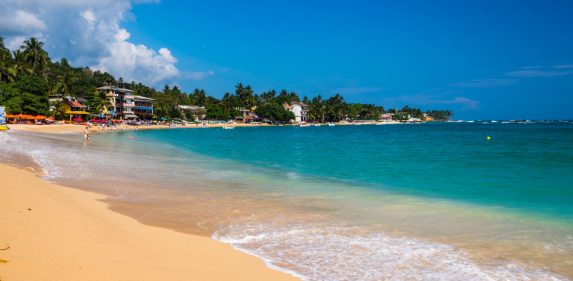
Unawatuna’s crescent-shaped bay offers some of the safest swimming waters on the south coast. Its coral-rich shallows make it a great snorkeling spot while the nearby Japanese Peace Pagoda and Rumassala Hill offer panoramic views of the sea. The area around Galle is easily accessible for day trips filled with colonial architecture and boutique shopping.

Menu
Phone : + 61 411 321 019
Destinations
Every Landscape Tells a Different Story
Sri Lanka is an island of infinite variety where the ocean, forests, and highlands create a world of contrasts. Each region has its own rhythm, from the soft hum of waves to the calls of wild elephants echoing through the plains.
At SMJ Holidays we take pride in showing you the many sides of our island home. The golden coastline that hugs the island. The wilderness that breathes with life. The heritage that connects centuries of stories. These destinations are not just stops on a map. They are living experiences that let you feel the real Sri Lanka.
Unawatuna
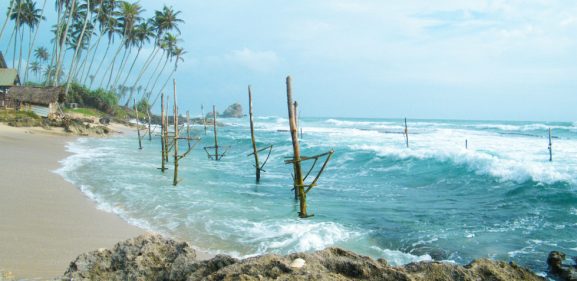
Hikkaduwa
Famous for its coral reef and surf scene, Hikkaduwa is a lively coastal town filled with energy. Snorkeling reveals turtles and colorful fish within arm’s reach, while glass-bottom boat rides let you view the reef without even getting wet. Local beach cafés serve fresh seafood and juice by the waves and in the evening the town turns into a hub of music and lights.
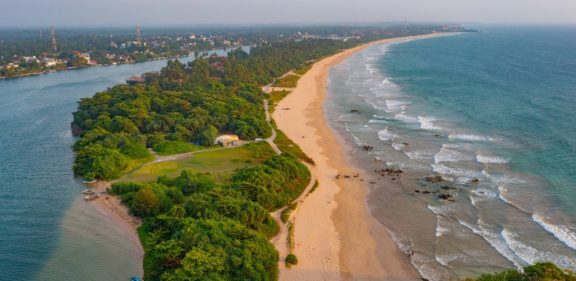
Bentota
Bentota sits along Sri Lanka’s southwest coast where the river meets the Indian Ocean. It is a popular spot for water sports including jet skiing, windsurfing, and banana boat rides. The calm waters of the Bentota River offer peaceful boat safaris where you can watch monitor lizards and mangroves swaying in rhythm with the breeze. Luxury resorts line the shore yet it never loses its tranquil charm.
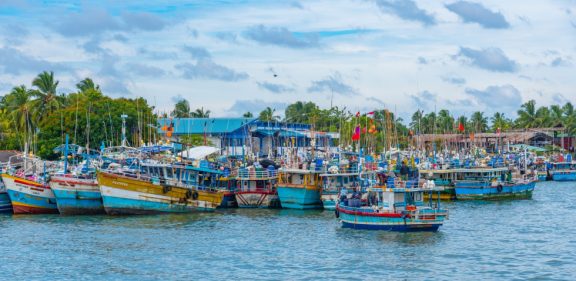
Negombo
Negombo lies just north of Colombo and is the closest beach to the international airport. Known for its long stretch of golden sand and vibrant fishing culture, it offers an easy start to your island journey. Early mornings fill the air with the sound of fishermen returning to shore while the Dutch canal system adds a layer of history to explore. Negombo Lagoon invites boat rides where you can spot herons, kingfishers, and glimpses of daily local life.
Bundala National Park
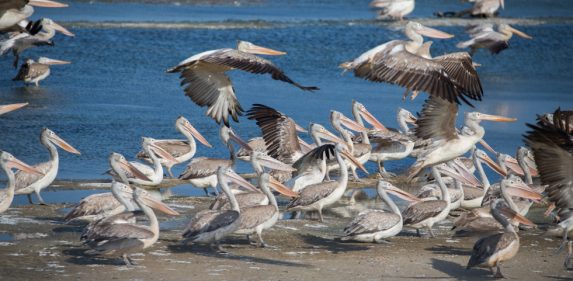
Bundala is a coastal wetland recognized as a UNESCO Biosphere Reserve. It is one of the best places in Sri Lanka to see migratory birds including flamingos, pelicans, and painted storks. The lagoons and salt pans sparkle under the sun and provide a rich ecosystem that supports reptiles, crocodiles, and elephants as well. It is a paradise for photographers and nature lovers who enjoy tranquil beauty over crowds.
Minneriya National Park
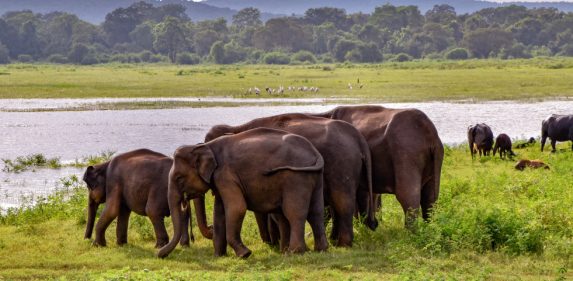
Minneriya is famous for the Gathering, a seasonal event where hundreds of elephants congregate around the Minneriya Tank from July to October. This natural phenomenon is one of the largest gatherings of Asian elephants in the world. Besides elephants, the park is home to monkeys, deer, and many water birds. It is a vital part of the island’s central wildlife corridor connecting with Kaudulla and Wasgamuwa.
Wilpattu National Park
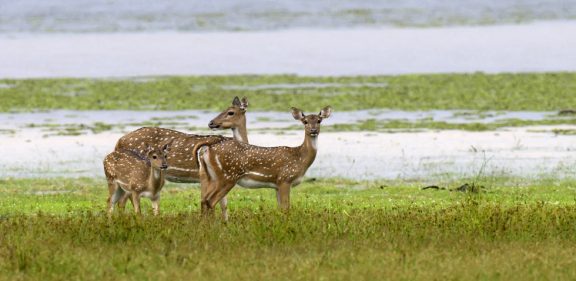
Wilpattu is the largest national park in Sri Lanka and one of the most unique. Its name means Land of Lakes, a reference to the natural sand-rimmed water basins scattered throughout the park. These lakes attract animals throughout the year and provide a setting of calm beauty. It is ideal for travelers who enjoy quiet safaris with fewer vehicles and a sense of untouched wilderness.
Udawalawe National Park
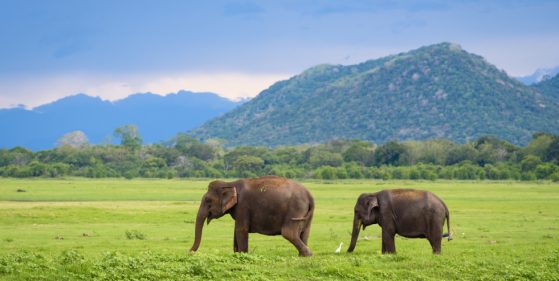
Udawalawe is known for its large elephant population and its open plains surrounded by the majestic backdrop of the central highlands. The park’s reservoir attracts herds of elephants especially during the dry season. You can also see water buffalo, deer, jackals, and an impressive variety of eagles and wading birds. It is one of the best parks for close and respectful encounters with wildlife.
Yala National Park
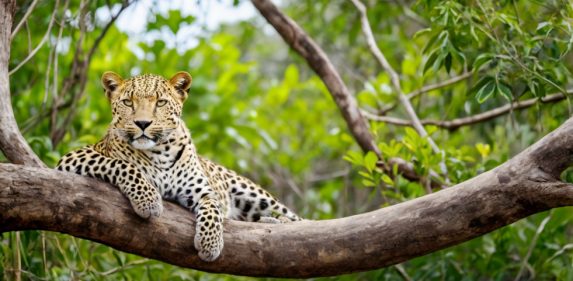
Yala is Sri Lanka’s most famous wildlife sanctuary and holds the highest density of leopards in Asia. Its terrain combines dry forest, scrub, and open grasslands that make game drives thrilling and unpredictable. Elephants, sloth bears, crocodiles, and more than 200 bird species live here. Early morning and late afternoon safaris offer the best chance of sightings as the park glows in golden light.
Galle
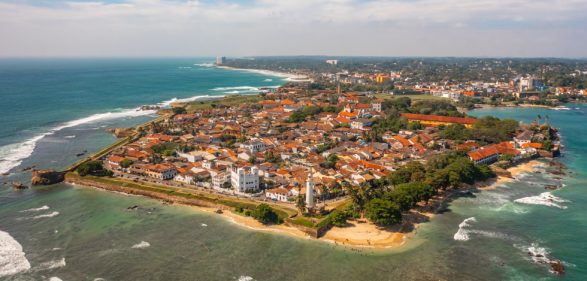
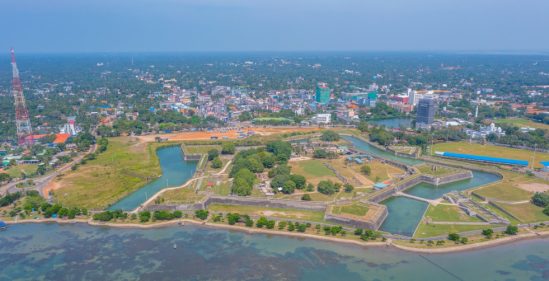
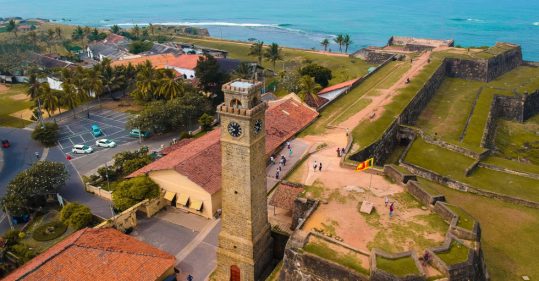
Galle is a coastal city where European and Asian worlds once met through trade. The 17th-century Galle Fort built by the Dutch and later occupied by the British remains one of the best-preserved colonial forts in Asia. Inside its walls narrow lanes are filled with art galleries, cafés, and boutique hotels that breathe new life into old buildings. The blend of colonial architecture and local craftsmanship creates an atmosphere of charm and reflection. Watching the sunset from the fort’s ramparts you understand why Galle has captured travelers’ hearts for centuries.
Kandy
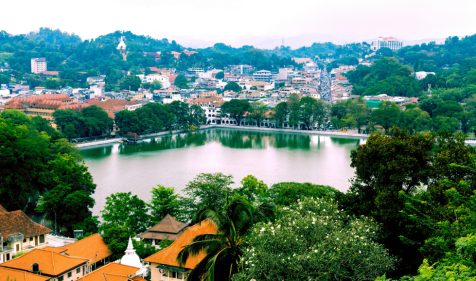
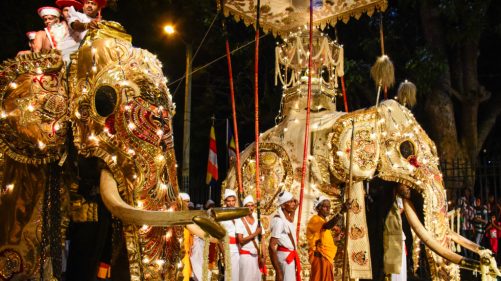
Kandy was the last royal capital before British rule and remains the cultural heart of Sri Lanka. It is home to the Temple of the Tooth which enshrines a sacred relic of the Buddha. The annual Esala Perahera procession fills the city with dancers, drummers, and richly adorned elephants creating one of Asia’s most spectacular religious festivals. The lake at the city’s center was built by the last king of Kandy and reflects the hills that cradle the city. Every street and shrine carries stories of resilience and devotion that still shape Sri Lankan identity.
Sigiriya
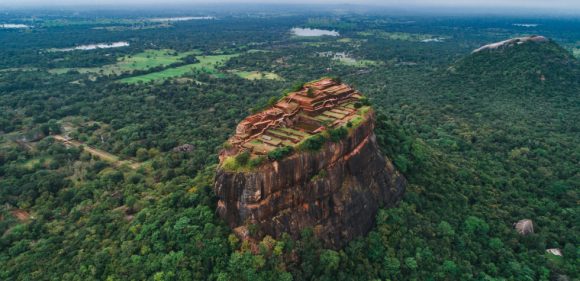
Sigiriya rises from the plains as a colossal rock fortress built by King Kashyapa in the 5th century AD. Its summit once held a royal palace surrounded by gardens and water systems that still function today. The frescoes of celestial maidens painted along the rock face are among the most remarkable examples of ancient Sri Lankan art. Climbing the steps through lion’s paws carved into stone you are rewarded with panoramic views of jungle and sky that feel timeless. The site also reveals the island’s blend of ambition, creativity, and mysticism.
Polonnaruwa
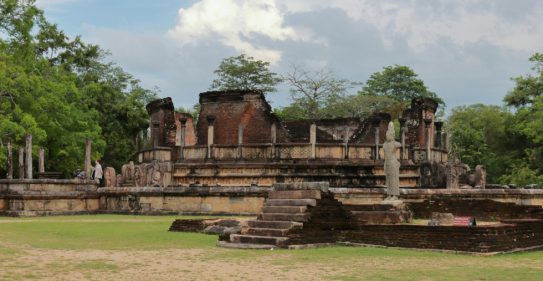
Polonnaruwa was the second great capital of the island during the medieval period and a UNESCO World Heritage site. The Gal Vihara rock temple is its most famous monument where four statues of the Buddha are carved from a single granite rock with extraordinary detail. Walking among palace ruins, lotus ponds, and ancient gardens you feel the harmony of urban planning and spiritual artistry that shaped the kingdom. Polonnaruwa also showcases Sri Lanka’s transition from stone to brick architecture and stands as proof of a refined and organized civilization.
Anuradhapura
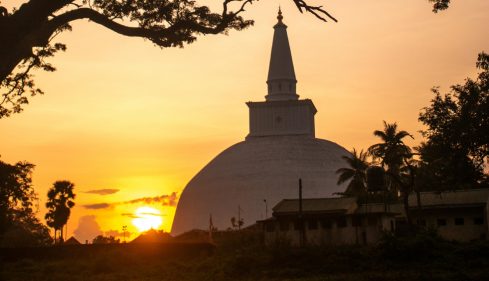
Anuradhapura is the first capital of ancient Sri Lanka and one of the oldest continuously inhabited cities in the world. It was founded in the 4th century BC and became the heart of Sinhalese civilization. Here you will find the sacred Jaya Sri Maha Bodhi tree which grew from a sapling of the original Bodhi tree under which the Buddha attained enlightenment. Massive stupas like Ruwanwelisaya and Jetavanaramaya rise over the landscape as symbols of devotion and engineering brilliance. The city’s network of reservoirs and canals shows how advanced ancient Sri Lankan irrigation systems were.
Nuwara Eliya
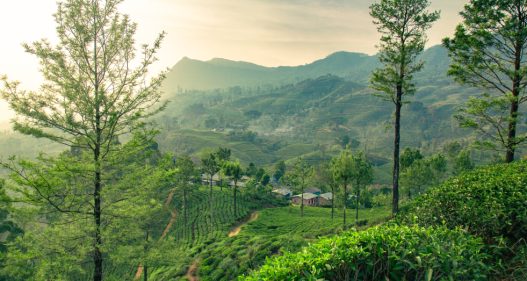
Nuwara Eliya brings together colonial heritage and highland charm. Known as Little England, it still carries touches of British architecture and gardens. Yet it is also deeply Sri Lankan with tea pickers moving gracefully through emerald plantations and local markets filled with flowers and fresh produce. The annual April season sees horse races, boat rides, and flower shows that bring culture to life against a backdrop of mist and mountain air.
Jaffna
Jaffna represents the depth and pride of Tamil culture in Sri Lanka. Its kovils with brightly colored towers rise above neighborhoods filled with markets and food stalls serving spicy crab curry and sweet palmyra treats. Festivals such as Nallur Kandaswamy Kovil’s annual celebration fill the city with devotion and energy. The people of Jaffna have preserved language, religion, and art through resilience giving the city a soul that feels strong and sacred.
Galle
Inside Galle Fort old houses have turned into art spaces, cafés, and workshops where local artisans display lace, jewelry, and paintings. The community atmosphere and ocean breeze give the fort a character all its own. Music and performance festivals bring the streets alive while the nearby coast offers a glimpse of daily life through fishing and craft traditions that have endured through time.
Colombo
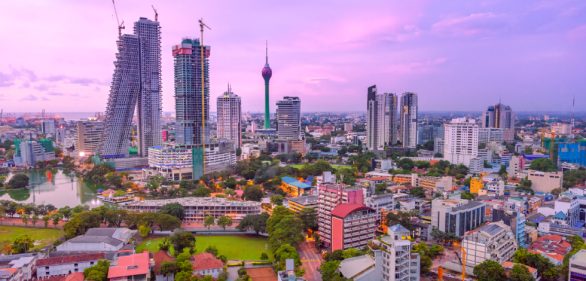
Colombo is the modern capital where history and progress meet on every street. Pettah Market buzzes with life as vendors call out to sell spices, textiles, and fruit. Colonial buildings stand beside sleek towers while art galleries and theaters showcase a new creative generation. The city’s food culture is a mix of influences from across the island and beyond making it one of the best places to taste the diversity of Sri Lanka.
Kandy
In Kandy tradition feels alive in every sound and scent. The Temple of the Tooth remains the spiritual center of the city while local dance performances and craft workshops preserve ancient art forms. Kandyan drumming fills the air during festivals and street life moves with warmth and ceremony. The mix of royal heritage and living culture makes Kandy a city that bridges past and present.
Kitulgala
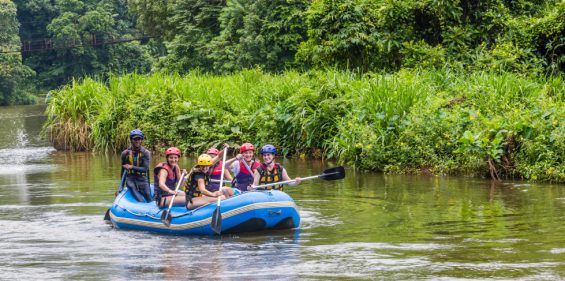
Kitulgala lies between Colombo and Kandy and is known for both adventure and natural beauty. The Kelani River that flows through it is the country’s main site for white-water rafting. Rainforest trails hide waterfalls and pools where you can swim in clear water. It is also where parts of the film The Bridge on the River Kwai were shot adding a touch of cinematic history. Kitulgala offers a balance of thrill and tranquility surrounded by lush greenery and bird calls.
Knuckles Mountain Range
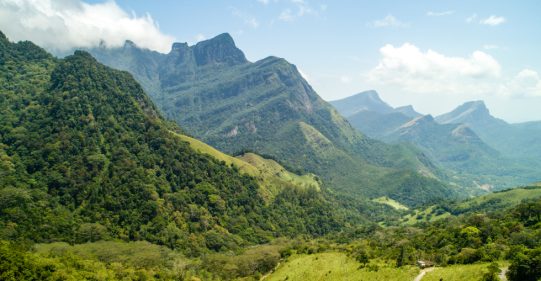
The Knuckles Range covers more than 150 square kilometers of forested highlands and has been designated a UNESCO World Heritage site. Its unique climate supports rare orchids, birds, and mammals found nowhere else. The area offers treks ranging from short walks through cardamom forests to multi-day hikes reaching remote villages. Waterfalls, caves, and panoramic peaks reward those who explore this region named for its shape resembling the knuckles of a clenched fist.
Adam’s Peak
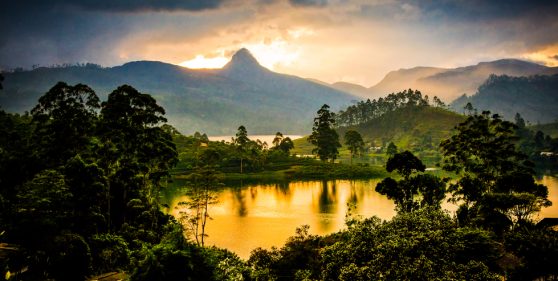
Known locally as Sri Pada, Adam’s Peak is one of Sri Lanka’s most sacred mountains. Pilgrims climb its 5,500 steps during the season from December to May to reach the footprint-shaped rock at the summit believed to be sacred in several faiths. Starting the climb at night lets you reach the top in time for sunrise when the shadow of the peak stretches perfectly across the valley. The experience combines spiritual depth with the natural wonder of dawn above the clouds.
Ella
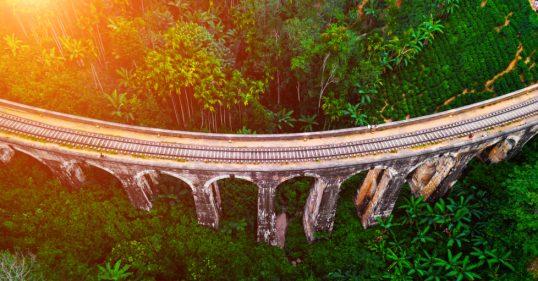
Ella is a small mountain town surrounded by rolling tea hills and cascading waterfalls. The train journey to Ella is often described as one of the most scenic in the world passing bridges, tunnels, and fields of green. You can hike to Little Adam’s Peak or stand atop Nine Arches Bridge as the train passes below. The air feels cooler and the pace slower making Ella a favorite for travelers seeking calm and beauty.
Horton Plains National Park
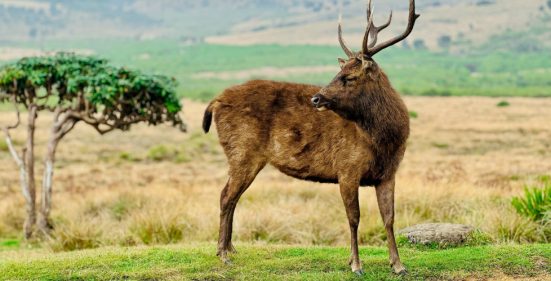
Horton Plains sits high in the central highlands more than 2,000 meters above sea level. The landscape is a mix of grassland, cloud forest, and crystal-clear streams. The trail to World’s End leads to a sheer cliff that drops nearly a kilometer revealing a panorama that stretches toward the southern coast on clear mornings. Sambar deer graze along the path and rare bird species flit through the mist making this one of the most atmospheric hikes in the country.